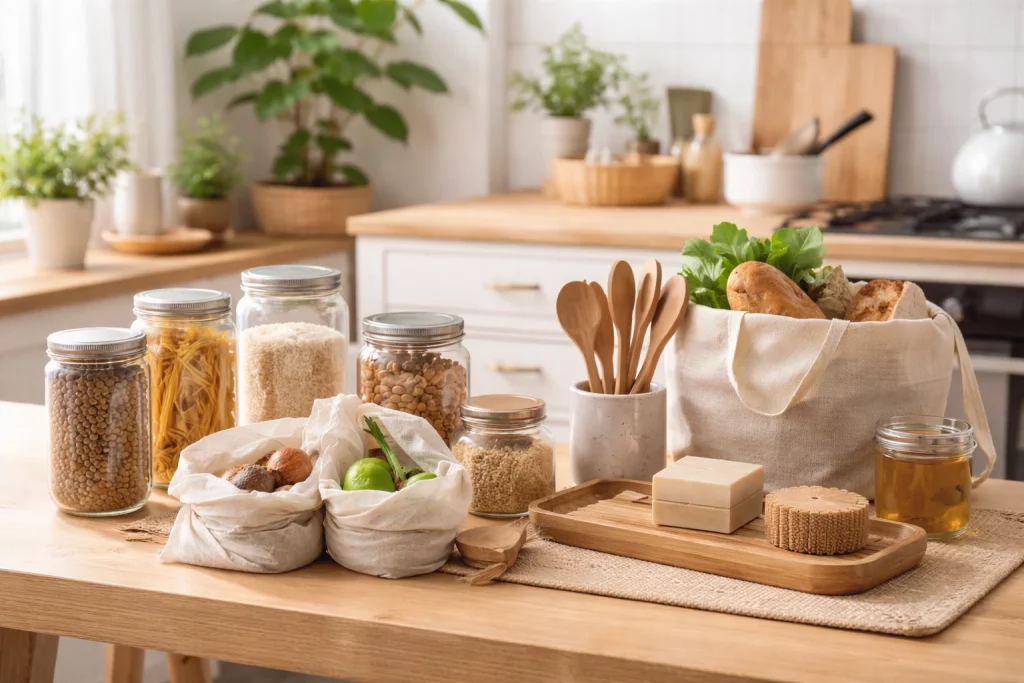
Zero Waste Living for a More Balanced Home
Zero waste living is a practical way to reduce everyday waste without making life feel strict or stressful. It focuses on mindful choices that cut down what goes in the bin, while improving how your home functions day to day. Rather than aiming for perfection, the goal is steady progress and realistic habits that you can maintain long term. Many people find this approach naturally supports a calmer household because it reduces clutter, encourages better organisation, and removes the constant cycle of buying, binning, and replacing.
This mindset fits neatly under eco living because zero waste living is about doing more with less, choosing well-made essentials, and being more intentional with what comes into your space. Over time, small changes build confidence. You start to notice where waste happens most, and you begin to replace the most wasteful habits first. That might be food packaging, single-use cleaning items, or impulse purchases that do not last.
Zero waste living sits within our wider Eco Living approach, focusing on reducing household waste through more mindful everyday choices.
Zero Waste Living and Everyday Habits
The easiest way to start is to look at what you throw away most often. In many homes, the biggest waste comes from packaging, disposable kitchen items, bathroom products, and cleaning supplies that are designed to be used once and replaced. When you identify those repeat offenders, it becomes much easier to choose alternatives that reduce waste at the source through zero waste living principles.
Reusable options work best when they are simple, durable, and easy to reach. For example, refillable containers, reusable cloths, and long-lasting household essentials can replace items that usually get binned after one job. These swaps are not about doing everything at once. Instead, they create steady improvements that feel manageable and natural within a zero waste living routine.
Another helpful habit is to adopt a “use what you have” mindset. Before buying new, check what already exists in cupboards and drawers. This immediately reduces unnecessary purchases and helps households get more value from what they already own. It also supports a calmer environment because fewer items enter the home, meaning less clutter builds up over time.
Zero Waste Living for Long-Term Sustainability
A lower-waste home is often a more efficient home. When you choose items that last longer, you replace them less often, and that cuts both waste and long-term cost. Durability matters because many disposable products are designed for short-term convenience, which leads to repeated spending and constant disposal. In contrast, well-made essentials support a smoother routine and reduce the mental load of always needing more supplies, which is a core benefit of zero waste living.
This approach also supports a healthier living space. Reducing single-use plastics and synthetic-heavy products can mean fewer strong smells, fewer additives, and fewer residues in the home. It is not about fear or extremes. It is simply about choosing cleaner, simpler options where it makes sense. Over time, zero waste living decisions create consistency.
Your household becomes more predictable, your storage becomes more organised, and your shopping becomes more intentional. That is when it starts to feel less like a project and more like a lifestyle you can comfortably maintain.
Zero waste living often goes hand in hand with choosing plastic-free alternatives, helping reduce reliance on single-use materials throughout the home.
Reducing Waste Without Overwhelm
Keeping it simple is the key to sticking with it. Start with one area of the home and improve it gradually. The kitchen is often the easiest place because it is where a lot of packaging and disposables build up. However, any area works if it fits your life and supports zero waste living habits.
Replacing items as they run out or wear out is a sensible strategy because it avoids wasteful clear-outs and keeps spending controlled. It also reduces pressure, which makes habits more sustainable. Another practical step is to plan shopping choices with waste in mind. Buying fewer items, choosing better quality, and avoiding unnecessary packaging can reduce waste quickly without disrupting routines.
Making It Part of Daily Life
The most successful approach is the one you can repeat without thinking too much about it. When better choices become part of your normal routine, they stop feeling like effort. Simple actions, done consistently, create the biggest long-term results and reinforce zero waste living naturally.
That might mean keeping reusable items in the same place, setting up a small refill station, or choosing essentials that last longer and work reliably. Over time, your buying habits change too. Instead of impulse purchases, choices become more considered, based on usefulness and longevity. That shift supports a calmer home because there is less clutter, fewer replacements, and a clearer sense of what you actually need.
Ultimately, this approach supports balance. It helps households reduce waste, create a more organised environment, and align everyday routines with eco living values, without making life feel complicated.